







Search Results for: sink collapse
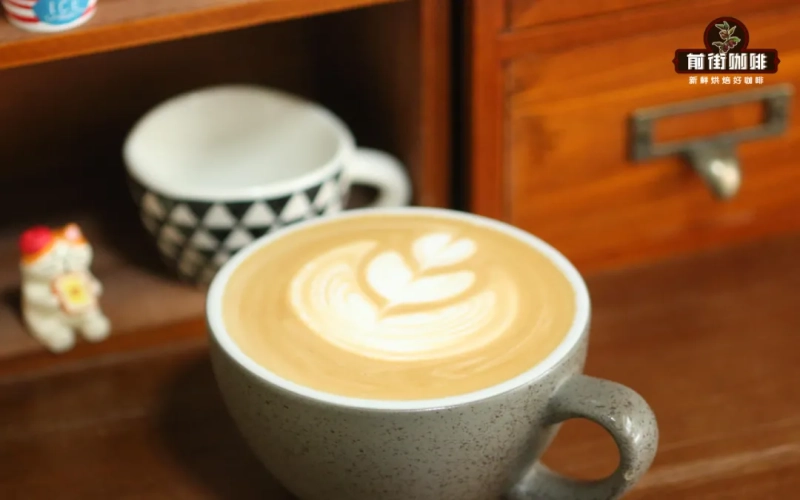
Analysis of Latte Milk Foam Collapse, Separation, and Breakdown: A Complete Guide to Frothing Techniques and Coffee Oil Stability
The milk foam on the surface of a latte sometimes sinks and collapses, sometimes becomes stiff and separates into layers, and sometimes visibly breaks down within just two minutes, with even faint popping sounds of bubbles bursting audible. Behind these phenomena lie multiple factors, including the thickness of the steamed milk foam, the stability of the espresso crema, the extraction state, and even the cleanliness of the cup. Front Street will analyze one by one the causes of common problems such as sunken foam, severe layering, surface collapse, and large bubbles forming on the cup wall, helping you understand the supporting relationship between milk foam and crema, so that you can make a latte with delicate, silky foam and long-lasting latte art. [more…]
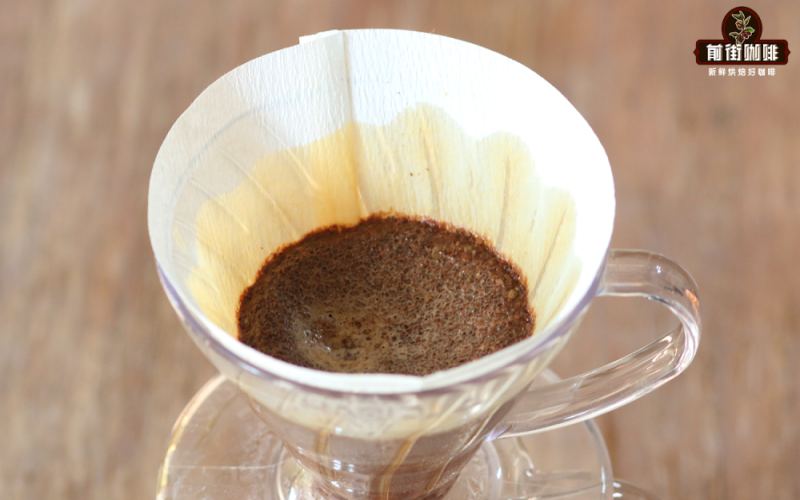
The Cause of the Central Collapse in the Coffee Bed After the Bloom in Pour-Over Brewing: The Combined Effect of Water Volume, Technique, and Grind Size
The blooming phase of pour-over coffee is often seen as the first dialogue with the coffee grounds, and an ideal expansion state often indicates a smooth subsequent extraction. However, sometimes the coffee bed clearly puffs up, only to have a pit form in the middle moments later—is this actually normal? This article analyzes this phenomenon, first explaining the physical mechanism behind expansion followed by collapse, and then investigating the causes one by one from three angles: water volume, pouring technique, and grind size. Front Street Coffee uses 15 grams of light-roast beans for simulation comparisons, showing the actual changes in the coffee bed under different parameters, to help you quickly identify problems in daily brewing, adjust your technique and parameters, and get the blooming state back on track. [more…]

A customer took photos at the sink in a coffee shop, causing the countertop to break; after checking the surveillance footage, the owner said they wanted to call the police.
Taking photos at coffee shops has long become a daily routine for many customers, but accidents caused by this practice happen from time to time. A coffee shop owner recently encountered an exasperating yet almost comical scene: two young women entered the restroom while taking photos in the shop, and shortly after, a loud crash was heard. After the two hurriedly left, the owner discovered that the entire washbasin had broken off and crashed to the floor. Surveillance footage showed the two had entered the restroom to take photos, but that area happened to be a blind spot in the camera coverage, making it impossible to confirm what had happened. Netizens speculated that a customer may have sat on the wall-mounted washbasin, causing it to give way under the weight. The incident sparked widespread discussion, with many expressing sympathy for the owner, while others suggested relocating the washbasin or posting a notice to prevent similar situations from happening again. [more…]

During pour-over blooming, the coffee bed puffs up and then collapses—is this normal? An analysis of the causes and adjustment methods.
In the blooming stage of pour-over coffee, the coffee bed usually forms a fluffy "hamburger" dome, which is an important signal for judging the freshness of coffee beans. But some friends have found that although the coffee bed puffs up briefly after pouring water, it quickly collapses. Is this actually normal? This article will analyze the causes of "expanding first, then sinking" from three angles—water volume, grind size, and pouring technique—and, combined with Front Street Coffee's brewing experience, provide specific judgment and adjustment suggestions to help you master the blooming stage more precisely. [more…]

Starbucks toilet trampled and collapsed sparks heated debate: why are store restrooms gradually disappearing?
Recently, a customer encountered an bizarre scene at a Starbucks store: while waiting in line to use the restroom, they suddenly heard a loud noise, and then a man hurriedly fled from the bathroom. Upon entering, they discovered that the toilet had been cracked by being stepped on and had separated from the sewage pipe, shifting more than ten centimeters. This bizarre incident quickly sparked heated discussions among netizens and unexpectedly brought up the topic of Starbucks restrooms gradually disappearing. Many netizens were surprised that Starbucks actually had restrooms, while longtime customers recalled that in earlier years, most stores had restrooms open to the public, but this convenience measure brought endless troubles for employees—filth and disorder, long-term occupation, and even people showering or washing vegetables inside. Now, new Starbucks stores are gradually no longer including restrooms, and older stores often lock them, citing malfunctions. This article takes you through the whole incident and the helpless reality behind it. [more…]
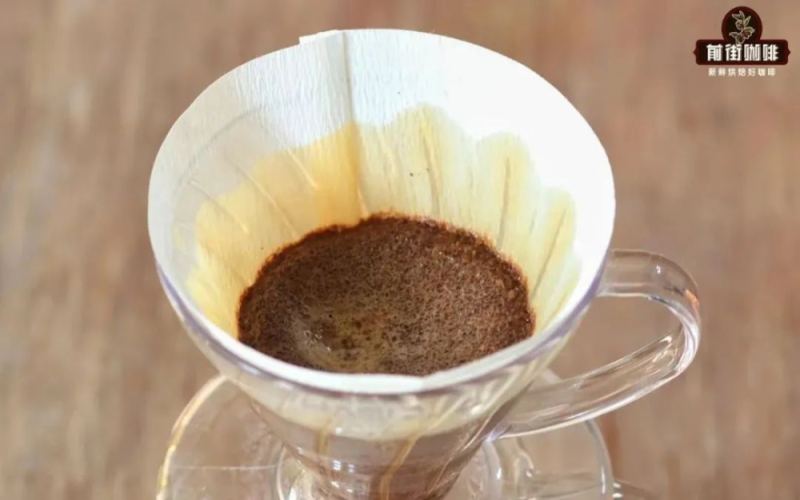
A Full Analysis of the Five Major Reasons Why the Bloom Dome Disappears in Pour-Over Coffee and the Details of Pouring
During a pour-over bloom, the coffee bed swelling into a rounded "hamburger" dome is an important visual signal for many enthusiasts to judge the state of the beans and whether the brew is on track. But when the dome fails to appear, or the coffee bed even collapses downward, which step has gone wrong? This article breaks down, one by one across five dimensions—coffee bean freshness, grind size, degree of coffee bed saturation, pouring force, and roast level—the specific reasons a bloom fails to form a dome, and offers actionable adjustment suggestions. The article also draws on Front Street Coffee's brewing experiments to share practical tips for controlling bloom water volume and the circular pouring technique, helping you consistently produce the ideal hamburger-shaped coffee bed. [more…]

Why Does Latte Milk Foam Disappear Right After Steaming? Five Common Causes and Fixes
The milk foam on the surface of a latte begins to break down the moment espresso extraction is complete and milk steaming ends, and the key indicator of its stability is the rate of foam dissipation. By normal standards, a latte made by Front Street Coffee will only show visible, obvious foam dissipation after sitting for about ten minutes. However, if a freshly made latte collapses, curdles, or turns into large bubbles within two minutes, something is wrong, and the causes need to be checked one by one. This article analyzes the reasons for rapid milk foam breakdown from five aspects—crema and foam coarseness, foam thickness, coffee bean freshness, number of pitcher taps, and evenness of integration—and provides the corresponding solutions that Front Street Coffee has summarized through actual practice. [more…]

A Complete Analysis of Pour-Over Coffee Bed Shapes: What Deep Crater, Flat Bed, Channeling, and Mud Pit Each Tell You
After pour-over brewing is finished, the coffee bed in the dripper often takes on different shapes—some people can produce a beautiful, even deep pit, while others end up with a flat bed or even a muddy crater. What exactly are these coffee bed shapes telling us? In fact, the appearance of the coffee bed mainly reflects information about the pouring method and the coffee grounds themselves, and has no direct correlation with whether the coffee tastes good. Front Street will start with six common coffee bed states, interpreting one by one the causes and meanings of the deep pit, the offset pit, the flat bed with a grounds wall, the flat bed without a grounds wall, the fractured bed, and the muddy pit, to help you better judge whether your pouring is appropriate in daily brewing and make timely adjustments. [more…]

Recreating Sparkling Americano at Home: The Key Ratio of Espresso to Soda Water and a Practical Guide to Avoiding Foam Overflow
Sparkling Americano can be seen as a fun upgrade of Iced Americano—it delivers the refreshing tingle of carbonation without weakening the coffee’s core flavor. Compared with a regular Americano, it simply swaps the water in the recipe for sparkling water, while the rest of the extraction logic stays almost the same. This article, based on recommended parameters from Front Street Coffee, first presents two preparation paths—espresso and pour-over—then focuses on explaining why espresso oils and crema violently expand into lumpy foam when they meet carbon dioxide, and shares three practical techniques: skimming off the oils, pouring slowly, and using the back of a spoon as a buffer, to help you make a Sparkling Americano at home with plenty of fizz and a clear coffee taste. [more…]
A Detailed Guide to Four Coffee Brewing Methods: Operational Essentials for Siphon, French Press, Pour-Over Drip, and Cold Brew Iced Coffee
To brew a cup of coffee with rich layers of flavor at home, choosing the right equipment and mastering the correct technique are equally crucial. This article systematically introduces four mainstream coffee brewing methods—the siphon (vacuum) coffee maker, the French press, the paper-filter pour-over dripper, and cold-water iced coffee—breaking down each one's equipment features, suitable grind size, coffee-to-water ratio, and detailed operating steps, along with practical tips. Whether you are a coffee enthusiast just starting out or an advanced player hoping to refine your technique, you will find a brewing method that suits you. The article also specifically recommends related products from Front Street Coffee to help you start your home coffee journey more easily. [more…]

Kontum Province in Vietnam experienced 32 consecutive earthquakes within 24 hours, putting the main coffee-growing region at risk of reduced production.
Vietnam's core coffee-producing region—Kon Plong District in Kon Tum Province—recorded 32 earthquakes within just 24 hours, the strongest reaching magnitude 5.0, triggering tremors across the Central Highlands, several surrounding provinces, and even parts of Thailand. Experts say the quakes are linked to reservoir-induced activity and may continue in the future. As a key part of Vietnam's Central Highlands coffee belt, Kon Tum Province and neighboring provinces account for about 70% of the country's robusta coffee output. The earthquakes could cause farmland subsidence, fluctuations in groundwater levels, and shortages of irrigation water. Combined with this year's severe drought and shrinking cultivation area, the risk of a decline in Vietnam's coffee production is further intensifying. Front Street Coffee will continue to monitor developments in the producing region and their impact on the coffee market. [more…]
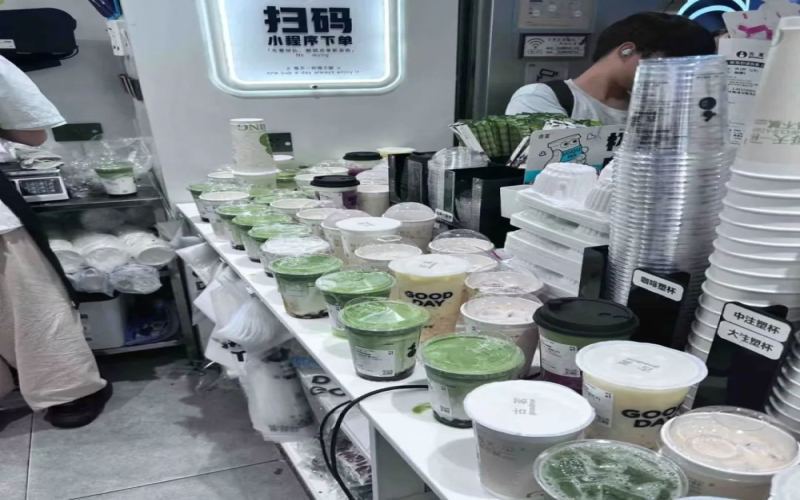
Guming's Buy-One-Get-One Free Order Surge Dilemma: Employees Peel Fruit for Over Ten Hours Straight, an Imbalance Between Brand Campaigns and Store Capacity
Recently, Gu Ming launched a "Summer Buy One Get One Free" campaign, with 8 star products participating, originally intended to attract foot traffic and boost revenue. However, after the campaign went live, store orders far exceeded expectations, and back-of-house staff were forced to handle fresh fruit, whip cream, and other prep work under high intensity for long hours. Some worked 15.5 hours straight, and their hands cramped from peeling grapes. The brand's frequent collaborations, takeout wars, and limited-time offers have left the "farm tea workers" complaining endlessly, and also exposed the disconnect between campaign planning and store staffing and process simplification. This article reviews the real situation of this order surge and the voices of employees, while also offering coffee lovers a product perspective from brands such as Front Street Coffee. [more…]
Guatemalan Antigua Coffee: A Unique Smoky Flavor Rooted in Volcanic Soil and Mayan Heritage
Guatemalan Antigua coffee is renowned worldwide for its balanced fruity acidity, rich spicy aroma, and signature smoky flavor. Behind this cup of coffee lies a tapestry woven from the ancient heritage of Mayan civilization, the rise and fall of Spanish colonial history, and the unique terroir bestowed by volcanic soil. From the diligent cultivation of the indigenous people to the admiration of today's international coffee connoisseurs, Antigua coffee carries a story spanning hundreds of years. This article will guide you through an in-depth understanding of Antigua coffee's flavor characteristics, historical origins, and its unique position in the global coffee landscape. [more…]
The Complete Guide to Preventing Fizzy Americano Overflow: Practical Tips for Keeping Tonic Water Coffee From Foaming Up
The stimulating mouthfeel brought by carbonation has made sparkling Americano a popular summer drink, but many people often encounter the embarrassment of coffee spraying and overflowing when recreating it at home. Starting from Front Street Coffee's practical experience, this article deeply analyzes the causes of foam overflow and provides three effective anti-overflow methods: using a spoon or ice cubes to buffer the impact of the espresso, adding a small amount of drinking water to form a缓冲 layer, and cooling the espresso in advance to reduce the temperature difference. Whether you are a beginner sparkling Americano enthusiast or a seasoned player who frequently fails, this guide can help you easily make a refreshing sparkling iced Americano without foaming. [more…]
The Origin and Evolution of Cream Coffee: From Vienna to Cappuccino and Modern Creative Takes
The pairing of cream and coffee has a long history, dating back to 17th-century Austria. This article will take you through the origin story of cream coffee, from the first-generation cream coffee at the Blue Bottle Café, to its evolution into cappuccino, and then to the traditional methods of Con Panna and Viennese coffee. We will also explore how modern baristas are reinventing cream, including a Starbucks secret menu and a recreation tutorial for the Korean-style Viennese coffee. Front Street Coffee sorts out this delicious history and creativity for you. [more…]

Specialty Coffee | Is Starbucks' all-ice Americano black coffee with light cream good? How can coffee beginners make authentic Viennese coffee at home?
Cream, a rich food with both a silky texture and a thick, creamy mouthfeel. Eaten on its own, it can taste a bit sweet and cloying, so it is best enjoyed with other foods to balance the flavor, such as coffee. In the world of coffee, the word "cream" does indeed appear often. In coffee tasting, it refers to mouthfeel. [more…]

The Dark Truth About Indonesian Kopi Luwak: Why You Shouldn't Drink It No Matter How Cheap It Gets
Kopi Luwak is hailed as the "aristocrat" of coffee, renowned for its distinctive minty coolness and syrupy consistency. However, behind this expensive drink lies a distressing and cruel truth. Authentic Indonesian Kopi Luwak is extremely low in yield, the market is flooded with a large number of counterfeit products, and the process of artificially farming civets is even more brutal torture for the animals. Front Street Coffee takes you through the origins and flavor characteristics of Kopi Luwak, and why we should no longer consume this kind of coffee. At the same time, Front Street also recommends coffees from other excellent regions, so that while enjoying deliciousness, you can also make a more humane choice. [more…]
Is Vietnamese Kopi Luwak Authentic? An Analysis of the Origins, Flavor Characteristics, and Correct Brewing Methods of Kopi Luwak
Kopi Luwak is regarded by many as the "aristocrat" of the coffee world, but what exactly is its origin? Is the large volume of Vietnamese Kopi Luwak circulating on the market genuine? True Kopi Luwak originates from Indonesia, officially known as "civet coffee" (Kopi Luwak), and is produced by wild civets eating coffee cherries and undergoing internal fermentation, resulting in extremely low global annual output and high prices. This article will systematically sort out the origin, flavor characteristics, authenticity identification, and animal welfare controversies of Kopi Luwak, and provide a detailed introduction to the parameters and techniques used by Front Street Coffee (FrontStreet Coffee) for brewing Indonesian Kopi Luwak with a KONO dripper. [more…]

A Complete Guide to Cream Coffee: From Classic Viennese Methods to Modern Creative Specialty Drinks
The combination of fresh cream and coffee began more than three hundred years ago. From the earliest cream coffees of Vienna, Austria, to the Korean-style Vienna coffee now sweeping social media, the role of cream in the world of coffee has continued to evolve. This article will trace the historical origins of cream coffee, explore the traditional methods for making Con Panna and Vienna coffee, and provide a detailed recreation of a currently popular vanilla cream Vienna coffee. Whether you are a seasoned connoisseur who prefers rich flavors or an enthusiast keen to try trendy new specialty drinks, you will find a cream coffee option worth trying in this article. [more…]
The Preparation Method and Historical Origins of Viennese Coffee: From Austrian Cream Coffee to Modern Trendy Specialty Drinks
The combination of cream and coffee has a long history, dating back to 17th-century Vienna, Austria. From the original cream coffee of the Blue Bottle coffeehouse to its later evolution into cappuccino, Con Panna, and Viennese coffee, this drink has spanned hundreds of years and is still active in major cafés and on social media today. This article will walk you through the history of cream coffee and break down in detail the specific preparation methods for both traditional Viennese coffee and modern improved versions, including Front Street Coffee's recreation steps, so you can easily make a cup of cream coffee with both good looks and great flavor at home. [more…]